5 Mental Maths Habits to Build at Home (No Worksheets Needed)
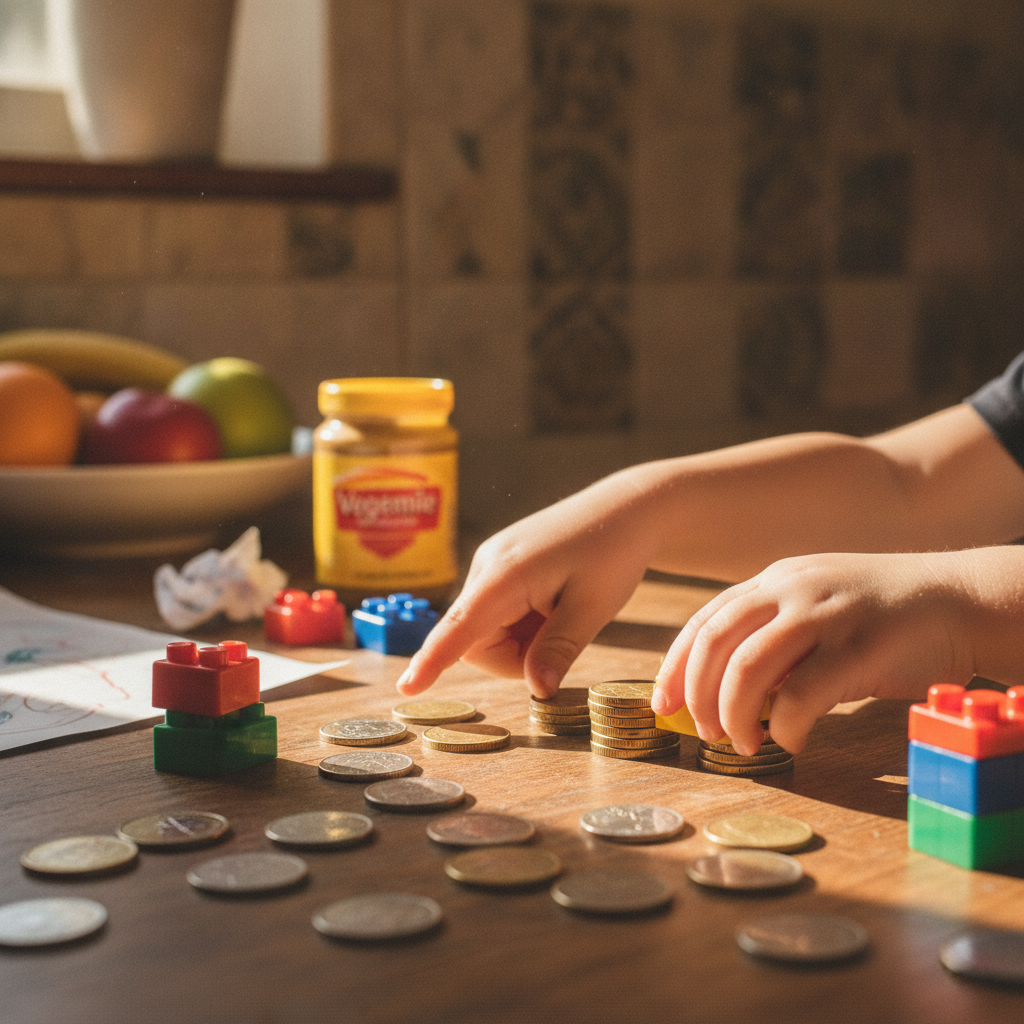
Strong mental maths is the foundation for everything from NAPLAN to everyday life. Five practical techniques Australian parents can use at home — no worksheets required.
These techniques are drawn from cognitive science research and the experience of Australian parents who have seen them work at home. They complement the structured learning on BrightPath — you don't need special materials, a teaching background, or extra time. Most take five to twenty minutes and slot into existing family routines.
1. The "100 seconds" drill
Set a timer for 100 seconds and call out maths facts — addition, subtraction, multiplication — at random. Keep it light and quick. Kids who can retrieve facts automatically free up working memory for harder problems like multi-step word questions and algebra. Even five minutes a few times a week produces measurable improvement within a month.
2. Cooking maths
Double or halve a recipe together. Fractions stop being abstract when your child is physically measuring 1½ cups of flour instead of staring at a number line. Ask follow-up questions: "If we triple it, how many eggs?" This real-world application is exactly what NAPLAN word problems test — except your child gets to eat the result.
3. The "how many ways?" game
Pick a target number — say, 24 — and challenge your child to reach it in as many ways as possible using addition, subtraction, multiplication or division. 4×6, 48÷2, 20+4, 30−6, 3×8. This builds number flexibility, which is the skill that separates confident maths students from kids who can only solve problems one way.
4. Shopping estimation
At the supermarket, ask your child to estimate the total before you reach the checkout. Round each item to the nearest dollar. When the real total appears on the screen, compare it to their estimate and work through why it differed. This builds number sense and mental rounding — skills that feel simple but are consistently weak in NAPLAN data.
5. Bedtime problem of the day
Swap one screen-time minute for one maths problem at bedtime. A single question per night adds up to over 300 maths encounters per year. Small, consistent exposure beats weekend cramming every time — and bedtime maths feels like a ritual rather than homework, which changes the emotional register completely.
Making these techniques stick
The most effective approach is to pick one technique from this list and try it consistently for two weeks before adding another. Attempting five new habits at once typically results in none of them sticking. One habit, done consistently, compounds into lasting change — which is exactly the kind of foundation that makes the BrightPath curriculum work faster for students who also practise these techniques at home.
If you'd like to see where your child's specific gaps are — so you know which of these techniques to prioritise — BrightPath's free diagnostic assessment takes about fifteen minutes and maps your child's strengths and gaps against the Australian Curriculum v9 strand by strand.
See exactly where your child needs support
BrightPath's free diagnostic maps your child's skills against the Australian Curriculum — maths and English, Foundation to Year 10.
Start the free diagnostic →Free · No credit card · Results in 15 minutes